books.app

My Most Influential Reads.

Cover of As a Man Thinketh

As a Man Thinketh

James Allen

I've read this 10+ times. It's tiny, fits in my pocket with my keys and phone. Allen's premise: thoughts shape character, and character ends up shaping your circumstances more than circumstances ever shape you. The book puts responsibility back in your hands, which is why it sticks.

A person is limited only by the thoughts that he chooses.
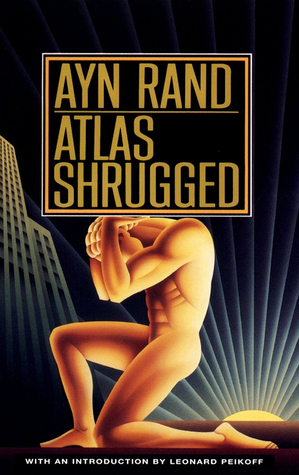
Cover of Atlas Shrugged

Atlas Shrugged

Ayn Rand

1,300 pages about Dagny Taggart trying to keep her family's railroad alive as the world's builders quietly disappear. Rand's question, what happens when the people who actually make things stop showing up, is one I find myself coming back to in tech all the time. The book made the case for productive work as a moral act, and it's a big reason I'd rather build than analyze from the sidelines.

The question isn't who is going to let me; it's who is going to stop me.

Cover of Endurance: Shackleton's Incredible Voyage

Endurance: Shackleton's Incredible Voyage

Alfred Lansing

In 1914, Shackleton set out to be the first to cross Antarctica on foot. His ship was crushed in pack ice 1,500 miles from civilization, and what followed is one of the great stories of leadership under impossible conditions. All 28 men came home. The book taught me that the ability to keep going, and keep a team going, is its own kind of power. The ship's name came from his family motto:

By endurance we conquer.

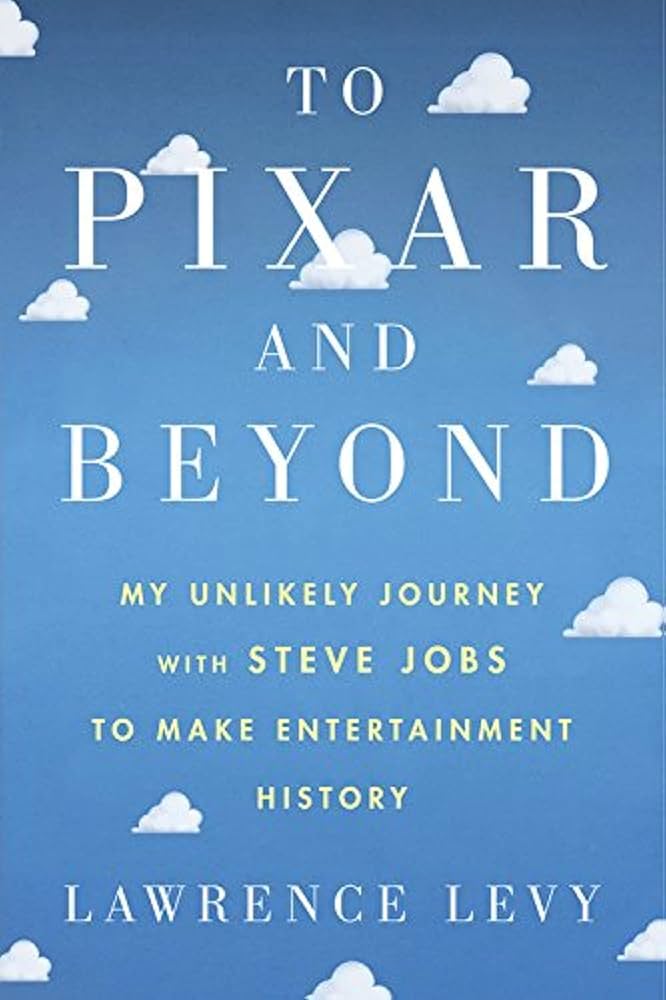
Cover of To Pixar and Beyond

To Pixar and Beyond

Lawrence Levy

I read this before my first VC internship. Lawrence Levy was Steve Jobs' hire to fix Pixar's business model when it was a struggling graphics company with no clear path to profit. His insight that home video, not box office, was where Disney actually made its money led to the renegotiation that turned Pixar into what it became. The book shows how often the unlock for a great product is the business architecture underneath it.

There's nothing you can do about where the pieces are. It's only your next move that matters.

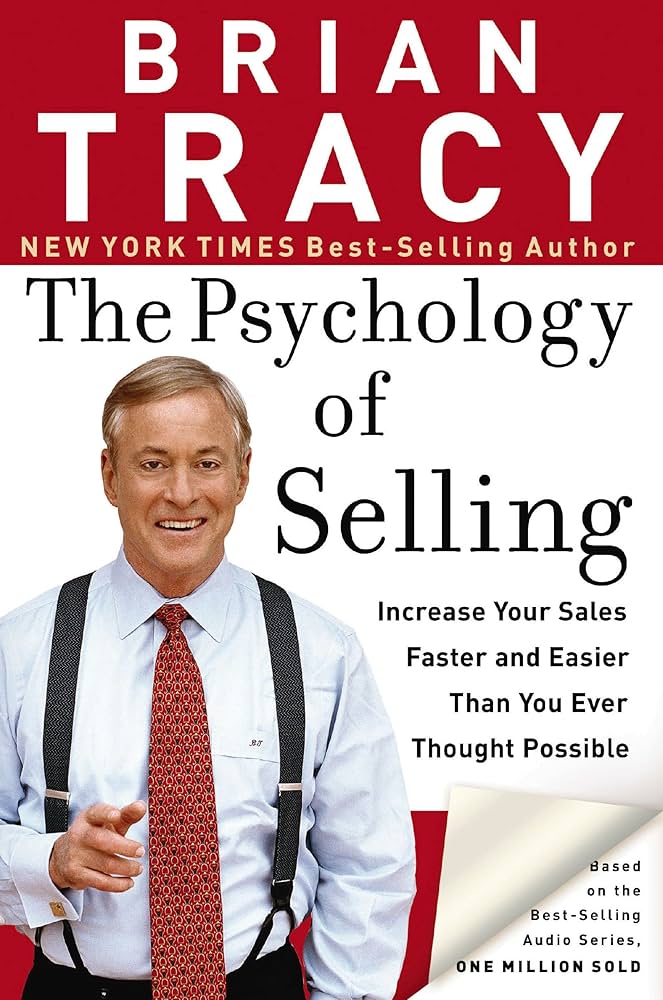
Cover of The Psychology of Selling

The Psychology of Selling

Brian Tracy

My bible during four years in DTC sales. The core idea I still use: people decide emotionally and justify logically, which is true whether you're selling a doorbell, a roadmap, or a vision. Product work is selling all the time, to engineers, to leadership, to customers, and the fundamentals don't change.

The prospect does not care what your product is. He only cares about what your product or service will do for him.